Redmi A7 Key Specifications at a Glance
Table of Contents
-
Introduction of Redmi A7
-
Powerful 6.88-Inch 120Hz Display of Redmi A7
-
Design and Durability of Redmi A7
-
Unisoc T7250 Performance of Redmi A7
-
Camera System of Redmi A7
-
Powerful 5,200mAh Battery of Redmi A7
-
Software and Android 15 of Redmi A7
-
Connectivity of Redmi A7
-
Real-World Applications and User Benefits of Redmi A7
-
What’s in the Box
-
Pros and Cons of Redmi A7
-
Frequently Asked Questions (FAQ)
-
Conclusion of Redmi A7
1. Introduction of Redmi A7
The Redmi A7 is a revolutionary entry-level smartphone announced on April 21, 2026, and released on April 24, 2026. Designed for first-time smartphone users, students, and budget-conscious consumers, this device combines a stunning 6.88-inch 120Hz display, a massive 5,200mAh battery, and Android 15 with two major OS upgrades. The Redmi A7 focuses on the essentials: a smooth screen, long-lasting battery, and a clean software experience.
This powerful device features a 6.88-inch IPS LCD with a 120Hz refresh rate – a revolutionary feature in the entry-level segment. This high refresh rate makes scrolling through social media, navigating the interface, and casual gaming feel remarkably smooth and responsive. The 5,200mAh battery ensures exceptional endurance, easily lasting two days on a single charge with moderate use.
While it keeps costs low with a Unisoc T7250 chipset and 3GB of RAM, the Redmi A7 delivers exceptional value where it matters most. A unique feature is 7.5W reverse wired charging, allowing you to use the phone as a power bank for other devices – a powerful tool for emergencies.
For Android users, the Redmi A7 offers full access to the Android ecosystem and Android ecosystem services at an unbeatable price point. The universal compatibility and thoughtful design make it a practical choice for users who want a smartphone that works flawlessly with their digital lifestyle.
If you are already using Xiaomi products, you might also enjoy our collection of smartphones and accessories for more options. Explore more devices at our shop.
2. Powerful 6.88-Inch 120Hz Display of Redmi A7
The Redmi A7 features a powerful 6.88-inch IPS LCD with a 120Hz refresh rate – a revolutionary feature in the entry-level segment. This high refresh rate makes scrolling through social media, navigating the interface, and casual gaming feel remarkably smooth and responsive.
Key display features:
-
6.88-inch IPS LCD: Large, immersive screen for all your content.
-
120Hz refresh rate: Ultra-smooth scrolling and animations.
-
HD+ resolution (720×1640): Clear visuals for everyday use.
-
~260 ppi pixel density: Decent clarity for daily tasks.
-
600 nits peak brightness: Good visibility outdoors.
-
20:9 aspect ratio: Comfortable for videos and browsing.
What the display offers:
-
Butter-smooth scrolling: 120Hz refresh rate for fluid navigation.
-
Immersive experience: 6.88-inch screen for content consumption.
-
Outdoor visibility: 600 nits peak brightness for sunlight readability.
-
Responsive touch: Smooth interactions for everyday use.
The 120Hz panel is a significant upgrade over standard 60Hz displays, and it is one of the main selling points of the Redmi A7. The screen-to-body ratio is about 82.0%, with noticeable bezels but acceptable for the price. The 20:9 aspect ratio makes it comfortable for watching videos and browsing.
For Android users, the powerful 120Hz refresh rate enhances the overall experience within the Android ecosystem.
3. Design and Durability of Redmi A7
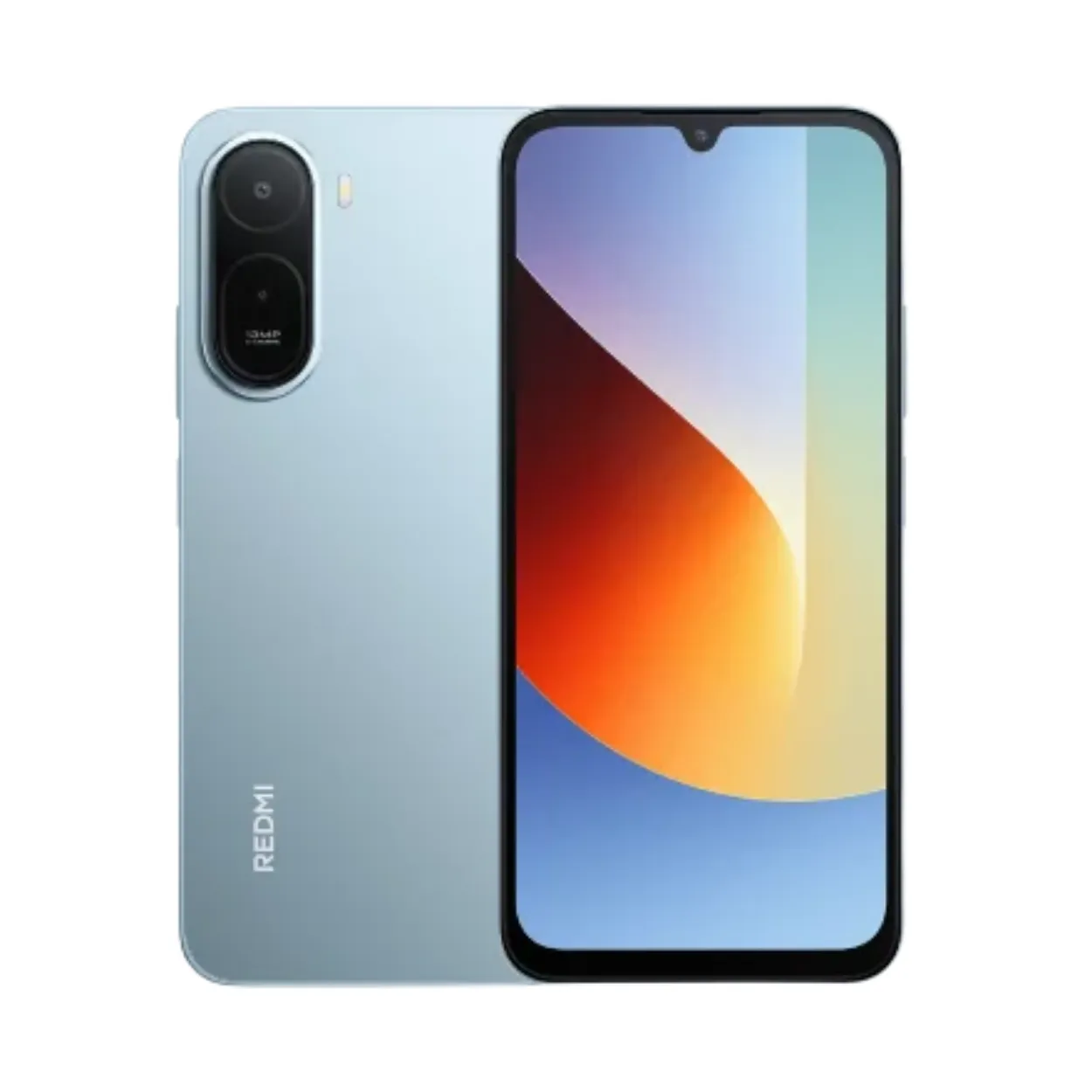
The Redmi A7 measures 171.8 × 79.8 × 8.3 mm and weighs 193g, making it a large phone that still feels comfortable in the hand. The build uses a plastic back and frame, which is expected at this price point, but it is dust and splash resistant – a welcome feature for budget devices.
Key design features:
-
Large 6.88-inch screen: Immersive display dominates the front.
-
Plastic back and frame: Lightweight and durable.
-
Dust and splash resistant: Protection against the elements.
-
Subtle texture back: Improves grip and feel.
-
8.3mm thickness: Slim profile for comfortable handling.
-
Waterdrop notch: Houses the 8MP selfie camera.
What the design offers:
-
Comfortable handling: Large screen with manageable dimensions.
-
Durability: Dust and splash resistance for peace of mind.
-
Secure grip: Textured back reduces accidental drops.
-
Modern aesthetics: Waterdrop notch for a contemporary look.
The back panel has a subtle texture to improve grip, and the phone is available in multiple colours (not specified). The side-mounted fingerprint sensor is integrated into the power button for quick and secure access.
The SIM tray is a triple-slot design (two Nano-SIMs + dedicated microSD), so you do not have to choose between dual SIM and expandable storage. Despite its size, the 8.3mm thickness keeps it manageable, and the back is slightly curved for ergonomics.
4. Unisoc T7250 Performance of Redmi A7
Under the hood, the Redmi A7 is powered by the Unisoc T7250 chipset, built on a 12nm process. This octa-core CPU consists of two Cortex-A75 cores clocked at 1.8 GHz and six Cortex-A55 cores at 1.6 GHz, paired with a Mali-G57 MP1 GPU.
Key performance features:
-
Unisoc T7250 chipset: Reliable 12nm octa-core processor.
-
Octa-core CPU: 2×1.8GHz Cortex-A75 & 6×1.6GHz Cortex-A55.
-
Mali-G57 MP1 GPU: Smooth graphics for everyday use.
-
3GB RAM: Adequate for essential tasks.
-
64GB eMMC storage: Expandable via dedicated microSDXC up to 1TB.
What the performance offers:
-
Smooth daily use: Handles calling, messaging, social media browsing.
-
Light app usage: Essential apps run smoothly.
-
Casual gaming: Handles games like Subway Surfers or light PUBG at low settings.
-
Expandable storage: microSD slot for additional space.
Performance considerations:
-
Not for heavy multitasking: 3GB RAM may limit performance.
-
eMMC storage: Slower than UFS, but acceptable for entry-level use.
-
Optimized UI: 120Hz screen prioritizes smooth interface over raw power.
The Redmi A7 prioritises smooth UI (thanks to the 120Hz screen) over raw processing power, which is a smart trade-off for its target audience. The Unisoc T7250 in the Redmi A7 can handle casual gaming at low settings.
For Android users, the Redmi A7 offers seamless integration with the Android ecosystem, providing reliable performance for a connected experience.
5. Camera System of Redmi A7
The Redmi A7 features a single 13MP rear camera (f/2.2, wide) with an LED flash and HDR support. The 8MP selfie camera (f/2.0, wide) handles video calls and casual selfies.
Key camera features:
-
13MP Main Camera: f/2.2 aperture, wide lens.
-
LED flash: Useful in low-light situations.
-
HDR support: Improved dynamic range.
-
8MP Selfie Camera: f/2.0 aperture, wide lens.
-
1080p video recording: At 30fps for both cameras.
What the camera offers:
-
Decent daylight photos: Suitable for social media sharing.
-
Document scanning: Functional for everyday use.
-
Video calls: Adequate for virtual meetings.
-
Google Lens integration: Document scanning and visual search.
Camera specifications:
The Redmi A7 can capture decent photos in good lighting, suitable for social media sharing and document scanning. There is no ultra-wide, macro, or depth sensor, but for an entry-level phone, the camera setup is functional.
The camera app includes features like HDR, timer, and basic beauty modes. For Android users, the camera on the Redmi A7 integrates with Google Lens for document scanning and visual search.
6. Powerful 5,200mAh Battery of Redmi A7
Battery life is a major strength of the Redmi A7. It packs a massive 5,200mAh battery, providing exceptional endurance. With moderate use, you can easily get two days on a single charge, and heavy users will still sail through a full day.
Key battery features:
-
5,200mAh capacity: Exceptional battery for extended use.
-
15W wired charging: Reliable recharge via USB-C.
-
7.5W reverse wired charging: Use as a power bank for other devices.
-
Power-efficient chipset: Unisoc T7250 for optimized consumption.
What the battery offers:
-
Two days of use: Power through schedules without charging.
-
Emergency backup: 7.5W reverse charging for other devices.
-
Quick top-ups: 15W charging for minimal downtime.
-
All-day productivity: Reliable power for work and entertainment.
Battery estimates:
The 5,200mAh capacity, combined with the power-efficient Unisoc T7250 and 120Hz display (which can be reduced to 60Hz to save power), ensures you will rarely be hunting for a charger. A full charge takes approximately 2.5-3 hours.
A unique feature at this price point is 7.5W reverse wired charging – you can use the Redmi A7 as a power bank to charge other devices like earbuds or a friend’s phone. This is a powerful tool for emergencies.
7. Software and Android 15 of Redmi A7
The Redmi A7 runs Android 15 out of the box, with Xiaomi’s custom skin (likely MIUI Go or a lightweight version). The software is optimised for entry-level hardware, with fewer animations and lighter pre-installed apps.
Key software features:
-
Android 15: Latest Android operating system.
-
Lightweight UI: Optimized for entry-level hardware.
-
2 major OS upgrades: Up to Android 17.
-
Regular security patches: Ongoing protection.
-
Clean interface: Gesture navigation and dedicated game mode.
What the software offers:
-
Latest features: Access to the newest Android capabilities.
-
Long-term support: 2 major OS upgrades for peace of mind.
-
Optimized performance: Lighter animations for smoother use.
-
Google services: Full access to the Google Play Store and Google Assistant.
A standout commitment is 2 major Android OS upgrades (up to Android 17) and regular security patches, which is excellent for a budget device. This ensures the Redmi A7 stays relevant for years.
Features include a clean interface, gesture navigation, a dedicated game mode, and access to the Android ecosystem, including the Google Play Store, Google Assistant, and all essential apps. While there may be some bloatware, most can be uninstalled. The side-mounted fingerprint sensor integrates well with Android’s biometric API.
For Android users, the Redmi A7 integrates seamlessly with the Android ecosystem, providing a clean and intuitive user experience.
8. Connectivity of Redmi A7
The Redmi A7 offers comprehensive connectivity options including 4G LTE, dual-band Wi-Fi, Bluetooth 5.2, and a dedicated microSD slot.
Key connectivity features:
-
4G LTE: Fast mobile data for browsing and streaming.
-
Dual SIM: Two Nano-SIM cards for work and personal use.
-
Dual-band Wi-Fi (ac): Fast wireless connectivity.
-
Bluetooth 5.2: Reliable wireless connections for accessories.
-
GPS with GLONASS, GALILEO: Accurate navigation.
-
FM Radio: Entertainment without internet.
-
3.5mm headphone jack: Traditional audio connectivity.
-
USB Type-C: Modern connector with OTG support.
What the connectivity offers:
-
Fast mobile data: 4G LTE for browsing, streaming, and downloads.
-
Wireless accessories: Bluetooth 5.2 for headphones and wearables.
-
Audio flexibility: 3.5mm jack for wired headphones.
-
Expandable storage: Dedicated microSD slot up to 1TB.
Connectivity considerations:
The powerful connectivity essentials ensure you stay connected without breaking the bank. There is no NFC, so contactless payments are not supported. Sensors include a side-mounted fingerprint sensor, accelerometer, compass, and virtual proximity sensing. The phone has a single speaker (mono) but is loud enough for calls and media.
9. Real-World Applications and User Benefits of Redmi A7
The Redmi A7 is a versatile smartphone that adapts to various real-world scenarios, making it an essential companion for first-time smartphone users, students, and budget-conscious consumers.
Student applications:
-
Note-taking: Large 6.88-inch display for comfortable reading.
-
Research: HD+ screen for browsing and document review.
-
Online classes: 8MP front camera for video calls.
-
Entertainment: 120Hz display for smooth video playback.
Professional applications:
-
Productivity: Essential apps and email on the go.
-
Communication: 4G connectivity for calls and messages.
-
Document viewing: Clear display for reading documents.
-
Remote work: Long battery life for full workdays.
Entertainment applications:
-
Streaming: 6.88-inch 120Hz display for immersive viewing.
-
Music: 3.5mm jack and Bluetooth 5.2 for audio flexibility.
-
Gaming: Casual games with smooth 120Hz display.
-
Social media: Smooth scrolling with 120Hz refresh rate.
User benefits:
-
Stunning display: 6.88-inch 120Hz for smooth visuals.
-
Long battery: 5,200mAh for extended use.
-
Reverse charging: 7.5W for powering other devices.
-
Clean software: Android 15 with 2 major upgrades.
Real-world scenarios:
-
Student: Take notes, browse research, and join online classes.
-
First-time user: Easy-to-use interface with essential features.
-
Budget user: Affordable smartphone with premium features.
-
Emergency: Reverse charging for powering other devices.
10. What’s in the Box
When you purchase the Redmi A7, you can expect:
-
Redmi A7 smartphone
-
15W charger
-
USB Type-C cable
-
SIM ejector tool
-
Quick start guide
-
Warranty card
11. Pros and Cons of Redmi A7
12. Frequently Asked Questions (FAQ)
Q1: Does the Redmi A7 support 5G?
A: No, the Redmi A7 supports 4G LTE only.
Q2: Is the storage expandable on the Redmi A7?
A: Yes, the Redmi A7 has a dedicated microSDXC card slot supporting expansion up to 1TB.
Q3: How long does the battery of the Redmi A7 last?
A: With moderate use, the Redmi A7 easily lasts two days on a single charge.
Q4: Does the Redmi A7 support fast charging?
A: Yes, it supports 15W wired charging, and the 5,200mAh battery charges fully in about 2.5-3 hours.
Q5: What is reverse wired charging on the Redmi A7?
A: You can use the Redmi A7 as a power bank to charge other devices (e.g., earbuds, another phone) at 7.5W.
Q6: How many Android updates will the Redmi A7 receive?
A: Xiaomi promises 2 major Android OS upgrades (to Android 16 and 17) plus security patches.
Q7: Does the Redmi A7 have a headphone jack?
A: Yes, it features a 3.5mm headphone jack.
Q8: Does the Redmi A7 have a fingerprint sensor?
A: Yes, it features a side-mounted fingerprint sensor integrated into the power button.
Q9: Is the Redmi A7 compatible with Android apps and services?
A: Yes, it integrates seamlessly with the Android ecosystem, providing access to a vast library of apps and services.
Q10: Does the Redmi A7 support NFC?
A: No, NFC is not supported for contactless payments.
Q11: What is the weight of the Redmi A7?
A: The Redmi A7 weighs 193g.
Q12: Where can I buy the Redmi A7 in Kenya?
A: The Redmi A7 is available at our shop and other electronics retailers across Kenya.
13. Conclusion of Redmi A7
The Redmi A7 is a revolutionary entry-level smartphone that focuses on the features that matter most to budget-conscious users: a large 120Hz display, a massive 5,200mAh battery, and a clean Android 15 experience with two major OS upgrades. Its Unisoc T7250 chipset and 3GB of RAM handle everyday tasks adequately, and the dedicated microSD slot ensures you can expand storage.
The 13MP camera is basic but functional, and the 7.5W reverse wired charging adds exceptional utility, turning the phone into a powerful backup power bank in emergencies. The 120Hz display is a standout feature at this price point, providing a smooth and responsive user experience that rivals much more expensive devices.
The dust and splash resistance adds durability, while the side-mounted fingerprint sensor ensures quick and secure access. The 3.5mm headphone jack and dedicated microSD slot are welcome features that many users still value.
For first-time smartphone buyers, students, or anyone needing a reliable secondary phone, the Redmi A7 offers unbeatable value. With full access to the Android ecosystem, it is a wise and affordable choice that will serve users well for years to come.
For a seamless smartphone experience, pairing this device with the Android ecosystem unlocks a world of apps, services, and connectivity that enhances every aspect of your digital life. And with its effortless integration with the Android ecosystem, staying connected and productive has never been easier.
Visit our shop for more smartphones and accessories.


 Pick up from the GEA Store
 Courier delivery
 DHL Courier delivery
 Warranty 1 year

 Enquire Now
This product has multiple variants. The options may be chosen on the product page
Enquire Now
This product has multiple variants. The options may be chosen on the product page


Reviews
Clear filtersThere are no reviews yet.